Travel-Related Diagnoses Among U.S. Nonmigrant Travelers...

Is It Allergies Or A Sinus Infection? Here's A Telltale Sign
Question: I have had allergies since childhood, suffering during both the spring and fall seasons. This past month, however, I am experiencing more congestion and mucus, and I even have some facial pain. I'm beginning to wonder if my symptoms are really from allergies or if they may be caused by a sinus infection instead. How can I tell the difference?
Answer: Allergies and sinus infections often are mistaken for one another. But they are two separate conditions. By paying close attention to the specific symptoms you have, you can usually identify which one is more likely to be causing the problem.
When someone has allergies, it means their body is negatively reacting to allergens, such as pollen, dust mites or pet dander. This reaction happens when the immune system releases certain substances, such as histamine, into the bloodstream. This leads to allergy symptoms, which might include itching, sneezing, sinus pressure, nasal congestion and discharge. Although allergies can produce many of the same symptoms as a sinus infection, the condition is different.
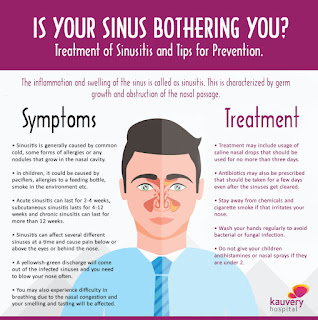
A sinus infection, also called sinusitis, affects the cavities around your nasal passages. The infection causes your sinuses to become inflamed and swollen. The swelling makes it hard for your sinuses to drain, and mucus builds up. You become congested and have trouble breathing through your nose. Sinusitis often causes thick nasal discharge. Also, you might experience headaches as well as pressure around your eyes, cheeks, nose or forehead. Though more uncommon, cough and a sore throat can accompany sinusitis, too.
One of the telltale signs to discern if you have allergic rhinitis or a sinus infection is if you have itchy, watery eyes along with other symptoms. Itchiness is rarely a symptom of a sinus infection. Contrary to popular belief, the color of your mucus does not help tell the difference between allergies or sinus infections.
Given that you have noted seasonal allergies, pay attention to the timing of your symptoms. This also might help decide if it's likely they are caused by allergies. For example, tree pollen is most common in the spring. Grass pollen is common in late spring and early summer, and ragweed pollen is prevalent in the fall. Mold and fungi spores are usually more plentiful in warm-weather months. Of course, the seasons might be different, depending on the region of the country where you live.
Finally, medication response also can help you determine if you need additional medical care. For allergies, over-the-counter medications, such as antihistamines, can be quite effective in relieving symptoms, particularly itching and a runny nose. You also may try adding an over-the-counter nasal corticosteroid daily to help with allergy symptoms. These nasal sprays help prevent and treat nasal inflammation and congestion, especially if you have seasonal allergies and use them just as the allergy symptoms begin.
If you suspect your nasal congestion and other symptoms are the results of sinus problems rather than allergies, you just may need to be patient. In most cases, viruses cause sinusitis. These viral infections usually go away on their own within a week to 10 days. Self-care measures, such as extra rest and fluids, saline sinus rinses, and over-the-counter pain relievers and decongestants, can help. But if symptoms are persistent or severe, antibiotics may be needed to treat the infection.
If your symptoms are increasing, do not improve with current therapy or last for more than two weeks, you could benefit from a visit with your primary care clinician or an allergist. There are other options to help alleviate symptoms and address ongoing allergies or recurrent sinusitis.
Dr. Jacqueline Squire, is an allergist-immunologist at the Mayo Clinic in Jacksonville, Florida.
How To Relieve Sinus Pressure
You can relieve sinus pressure with the help of natural remedies like a humidifier, saline washes, and biofeedback. But you may need medical attention if your symptoms do not improve after a week or two.
Sinus pressure results from blocked nasal passages. When your sinuses cannot drain, you may experience inflammation and pain in your head, nose, and face.
Many people experience sinus pressure from seasonal allergies or the common cold. While some over-the-counter (OTC) treatments can help reduce symptoms, there are also many effective natural remedies.
Dry air and dry sinuses can increase sinus pressure, causing sinus headaches and pain. Steam can add moisture to the air, moisten your sinus passages, and thin out mucus that may have thickened over time. Some ways to breathe in moistened air include:
If your sinus pressure is related to a viral infection, you can try adding eucalyptus oil to your bath or vaporizer to help speed your recovery. Eucalyptus contains cineole, an ingredient that may speed the healing of viral sinusitis.
The oil also may help to reduce nasal stuffiness and clear your pathways.
You can do a sinus flush at home to relieve sinus pressure and congestion. A sinus flush uses sterile saltwater rinsed through your nasal passages to wash away debris and allergens.
You can also try saline nasal spray contains salt that helps to increase moisture in your nose and reduce sinus pressure.
You can buy sterile saline spray in drugstores or make your own with baking soda, distilled water, and iodine-free salt. If making your own, you must use distilled water, filtered water, or water that has been boiled, as other sources may contain harmful bacteria.
A good night's sleep can help the body to heal. Also, when you're at rest, your body can produce more white blood cells, which help you recover from viruses and other bacteria.
Allowing your body to rest can help to reduce sinus pressure, speed your recovery time, and leave you feeling more refreshed. If your sinus pressure makes sleeping difficult, check out these tips for sleeping with a cold that may help.
Just as sleep is essential for healing, how you sleep can improve or worsen sinus symptoms. Lying flat can increase mucus buildup in your nasal passages, increase your sinus pressure, and disrupt your sleep cycle.
Prop your head with pillows at night to keep your head above your heart. This sleeping position can help prevent sinus buildup and allow you to breathe more comfortably.
Dehydration can contribute to your sinus passages drying out and increased pressure on your face. Increase your water intake throughout the day if you feel under the weather. Fluids will reduce blockages in your sinuses.
While water may be your first choice to remain hydrated, you can also retain fluids through other foods and beverages, including:
Your sinus pressure may cause you to feel tension in your head, face, and neck.
Relaxation may help relieve some headaches. You can try incorporating deep breathing exercises and meditation to achieve relaxation and reduce pain. Yoga, meditation, and other relaxation techniques can help to reduce pain and pressure from sinus infections.
Similar to yoga, exercise can reduce sinus pressure. Physical activity can increase blood circulation and temporarily relieve congestion to ease breathing. Although uncomfortable to perform while sick, low impact physical activity can help to improve your recovery time and speed healing. This can include taking a walk or doing gentle yoga.
You can place a warm compress, such as a washcloth dampened with warm water, over your sinuses to relieve swelling. This may help open your nasal passages.
If home remedies do not work, you may also be able to relieve sinus pressure with common OTC products. These can depend on the cause of your sinus pressure and may include:
Optum Perks is owned by RVO Health. By clicking on this link, we may receive a commission. Learn more.
Sinus pressure symptoms can be painful and uncomfortable. In addition to using traditional treatment methods like decongestants and pain relievers, alternative home remedies can also boost your recovery.
If you continue to experience sinus pressure symptoms after two weeks, or if they begin to worsen, seek medical attention. This could indicate a more severe infection that may require prescribed antibiotics.
How do you relieve sinus pressure fast?
You may be able to find relief from sinus pressure with a combination of rest, elevation, and keeping your nasal passages moist.
What pressure points drain sinuses?
Pressure points for sinus relief can include: LI20, BL2, Yintang, SI18, GB20, LI4, LU5, LU9, and Liv3.
How do you manually drain your sinuses?
You can manually drain your sinuses by inhaling steam, staying elevated, and performing nasal irrigation, such as with a Neti Pot.
Depending on the cause of your sinus pressure, at-home remedies may help relieve your symptoms. This can include breathing in steam and flushing your sinuses.
If these remedies do not work, you may decide to contact a doctor. They may be able to diagnose and treat the cause of your sinus pressure.
Ask Dr. Dylan: Dos And Don'ts Of Antibiotics
With so many germs going around this winter, Dr. Dylan is letting us know when we should rely on antibiotics to treat our symptoms.
Dr. Dylan Wyatt, an emergency medicine physician at Aspirus-St. Luke's, shares the do's and don'ts of antibiotics.
What are Antibiotics? When do we need to use them?Dr. Dylan: Antibiotics are medications that are used to treat bacterial infections. They either kill bacteria or make it harder for them to grow. They're usually administered by mouth (such as a tablet) or intravenously – though some are given intramuscularly.
We give antibiotics to patients to treat bacterial infections that are not able to be cleared by the body on its own. Something as simple as a skin infection or urinary tract infection up to very complicated infection such as sepsis (a bloodstream infection) or bacterial meningitis (an infection in the brain). The key to this, however, is that these only work against bacterial infections.
What does this have to do with upper respiratory infections?Dr Dylan: Whenever we see a higher volume of upper respiratory infections – think runny nose, sore throat, coughing, and low-grade fever – there is also a significant uptick in the number of antibiotic prescriptions. There are forms of upper respiratory infections that need antibiotics such as bacterial sinus infection or bacterial bronchitis. However, most upper respiratory infections are caused by viruses which antibiotics have no effect against.
The National Institutes of Health state that around half of antibiotic prescriptions are written unnecessarily for people who have upper respiratory infections. Most people will get better on their own.I can understand why people want antibiotics, however. Upper respiratory infections feel awful. It makes sense that we want symptoms to go away as soon as possible. There's just not good evidence that antibiotics help symptoms unless it's a bacterial infection. In fact, one of the best treatments for certain symptoms is far simpler and safer: for instance, warm honey water for cough has good scientific evidence behind it as does chicken soup for sore throats and colds. This is one of those times that generational or folk remedies can go a long way in helping us feel better.
What's the harm if we use antibiotics when we don't need them?Dr. Dylan: Antibiotics are a medication – and like any substance we put into our body there are effects and side effects. When we talked a few months back about healthy germs in the body we mentioned the gut microbiome, a series of helpful bacteria that have been found to have multiple health benefits. Taking antibiotics wreaks havoc on our gut microbiome – killing off the good bacteria to be replaced by potentially dangerous bacteria.
There are of course additional side effects such as rashes, nausea, diarrhea that are quite common. There's also the small risk of allergic reaction.
Healthcare professionals and Infectious disease experts are most concerned about the overuse of antibiotics due to antibiotic resistance. Most people have probably heard of this, but don't realize the risk posed not just themselves but the whole community.
For instance, someone who uses antibiotics frequently is more likely to develop a bacteria that is resistant to those more commonly used antibiotics. We often choose to use "common" antibiotics due to lower side effect profiles – they're essentially safer. When you induce resistance in bacteria towards these common antibiotics you're setting yourself up for an infection that requires a more significant type of antibiotic. These often come with higher risks in their side effect profile or sometimes cannot be given by mouth and require hospitalization to be given intravenously.
Sometimes these infections become resistant to multiple antibiotics or even a whole family of antibiotics and are very hard to treat. You probably know the name of at least one of these: MRSA – methicillin-resistant strep aureus. We do have different antibiotics we can use to treat MRSA but the problem is MRSA is now becoming resistant to those antibiotics leaving us less and less means of defense against these quite dangerous pathogens. This is happening across multiple bacteria families and multiple types of infections.
How do we know when we should seek medical attention for antibiotic prescriptions?Dr. Dylan: When you first start to feel ill, think about what came first: a localized symptom or a general symptom. For most healthy people who start to feel ill from an upper respiratory infection or other viral infection, the first symptoms are feeling tired, achy, or feverish – General symptoms that are felt throughout the whole body. This is in contrast to localized infections that can more often be a sign of bacterial infection "setting in". For example, a urinary tract infection starts with burning with urination or pressure in the lower abdomen while pneumonia first presents with coughing – especially with a thick dark mucus production. This is not a hard and fast rule, and if you have any doubts or concerns I do recommend you talk to your physician or provider for additional assessment.


Comments
Post a Comment